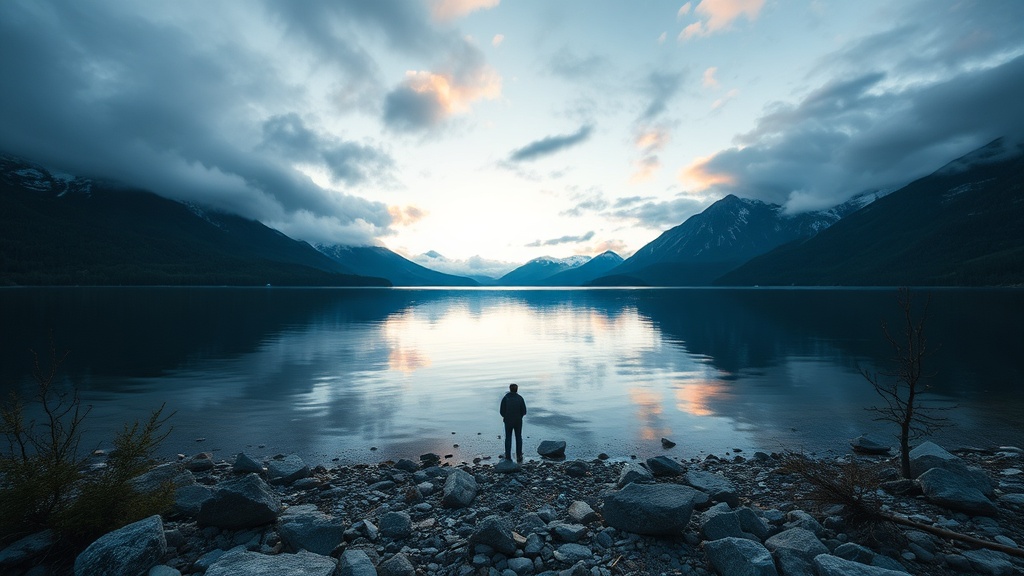
Finding Peace at Lac de l'Avart: A Solo Outdoor Experience

Studies from the National Institutes of Health suggest that spending time near water can significantly lower cortisol levels and improve mental clarity. This guide provides the logistics, gear recommendations, and seasonal timing required to visit Lac de l'Avart near Rouyn-Noranda for a solo outdoor excursion. We'll look at accessibility, what to pack for the Abitibi climate, and how to find the best spots for quiet reflection.
How Do I Get to Lac de l'Avart?
Most visitors access Lac de l'Avart via the secondary gravel roads branching off from the main routes near the outskirts of Rouyn-Noranda. You'll want to ensure your vehicle is up for a bit of a bumpy ride—ideally a vehicle with decent ground clearance—since these forest roads aren't paved. It's a short drive from the city center, but don't assume the way is smooth.
If you're driving a small sedan, take it slow. The potholes in our region can be unforgiving. Once you reach the designated parking area near the water's edge, you're set. There aren't many formal signs, so keep your eyes peeled for the trailhead markers. It's easy to miss them if you're not looking closely.
For those who prefer a more structured hike, the trails around the lake are well-maintained but can get muddy quickly after a heavy rain. If you've spent time exploring the historical sites of Old Noranda, you're likely used to uneven terrain, but the forest floor here is softer and more unpredictable.
What Gear Should I Bring for a Solo Trip?
You should prioritize moisture-wicking layers and sturdy footwear to handle the uneven, often damp terrain found around the lake. Because the weather in the Abitibi-Témiscamingue region can shift in minutes, being over-prepared isn't a bad idea.
I personally never leave my house without my Patagonia Black Hole Duffel for longer excursions because it's virtually indestructible. For a single afternoon at the lake, a smaller pack is enough, but don't skimp on the quality of your layers. A sudden drop in temperature can turn a relaxing afternoon into a shivering mess quite quickly.
Here is a quick checklist of what I recommend for a successful solo outing:
- Footwear: Waterproof hiking boots (brands like Salomon or Merrell are reliable here).
- Outerwear: A lightweight windbreaker or a North Face fleece for when the breeze picks up.
- Hydration: A reusable water bottle (at least 1 liter).
- Navigation: A physical map or a downloaded offline map on your phone.
- Safety: A small first-aid kit and a high-energy snack.
It's worth noting that cell service can be spotty once you get deep into the woods. Don't rely on your GPS alone; if you're going solo, tell someone exactly where you're headed and when you expect to be back.
What is the Best Time of Year to Visit?
The best time to visit Lac de l'Avart is between late June and early September to enjoy the warmest temperatures and easiest trail conditions. During this window, the bugs are a nuisance, but the water is much more inviting if you decide to dip a toe in.
The seasons here are intense. If you come in the autumn, the colors are spectacular—the maples and birches turn a brilliant orange—but the air gets sharp. I've seen the temperature drop twenty degrees in a single afternoon during October. If you're a fan of the crisp air, go for it, but bring a heavier jacket.
| Season | Vibe | Primary Concern |
|---|---|---|
| Summer | Warm, lively, bright | Black flies and mosquitoes |
| Autumn | Colorful, cool, quiet | Rapid temperature drops |
| Spring | Muddy, waking up | Thawing ground/wet trails |
If you're looking for absolute silence, avoid the peak summer weekends. Families and groups often frequent the area, which can diminish that sense of isolation you might be seeking. For a truly solitary experience, a mid-week trip in the late summer or early fall is your best bet.
How Can I Ensure a Safe Solo Experience?
You can ensure safety by following the "Leave No Trace" principles and always notifying a contact of your itinerary before heading out. Solo hiking is wonderful for mental clarity, but it requires a higher level of self-reliance and preparation than group hiking.
First, check the weather forecast on a site like Environment Canada before you leave. If a storm is rolling in, stay home. The weather in Northern Quebec is famously fickle. One minute it's sunny, and the next, you're caught in a downpour. I've been caught more than once, and trust me, it's not a fun way to spend an afternoon.
Second, keep an eye on your energy levels. It's easy to get distracted by the scenery and forget how much ground you've covered. If you start feeling fatigued, find a spot to sit and rest before you push too far. There's no shame in turning back early if the conditions aren't right.
Third, respect the wildlife. While we don't see many large predators roaming the immediate lake edge, it's always smart to be aware of your surroundings. Keep your food in sealed containers and don't leave any trash behind. We want to keep these local spots pristine for everyone.
A quick tip for those looking to enjoy a snack while sitting by the water: I highly recommend picking up some local treats before you head out. If you've already checked out my guide on uncovering local food secrets, you'll know that a bit of local cheese or some artisanal bread can make a simple break feel much more special.
The isolation of Lac de l'Avart is its greatest strength. It offers a rare chance to disconnect from the digital noise and simply exist in the moment. Just remember that the wilderness doesn't owe you anything—be prepared, stay alert, and respect the environment.
Steps
- 1
Pick your perfect spot
- 2
Pack your local essentials
- 3
Respect the silence