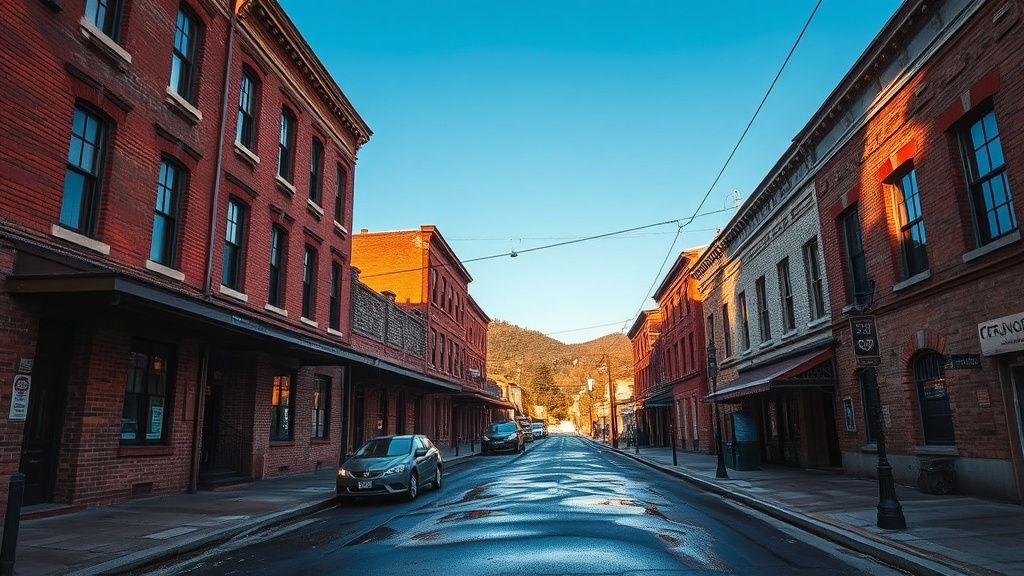
Walking Through Copper and Concrete: A Guide to Exploring Old Noranda’s Hidden History

How to see the history of Rouyn-Noranda without a tour guide
Imagine standing at the corner of 7th Street and Murdoch Avenue right as the afternoon shift change happens at the smelter. The massive twin stacks of the Horne Smelter loom over the horizon—a constant reminder of why this town exists in the first place. You aren't just looking at a factory; you're looking at the very heart of a geological miracle that pulled thousands of people into the northern wilderness nearly a century ago. This guide walks you through the process of conducting your own historical investigation of the Old Noranda district, focusing on the structures that survived the boom years and the stories they still tell if you know where to look.
The first thing you need to understand is that Rouyn and Noranda were separate cities until the late 1980s. Noranda was the 'company town'—planned, orderly, and strictly managed by the mining giants. Rouyn was the 'wild west'—a chaotic sprawl of businesses and homes that grew overnight to serve the miners' needs. Walking through Old Noranda today feels different because it was designed to feel different. The streets are wider, the brickwork is more uniform, and the layout follows a logic dictated by 1920s urban planning ideals rather than accidental growth. To start your walk, park your car near the