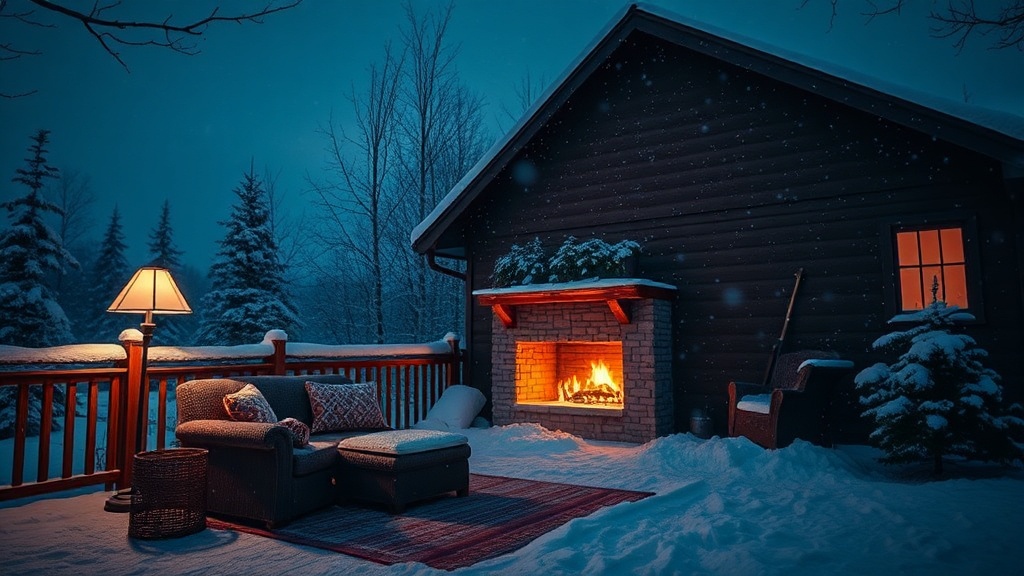
Getting Your Home Ready for the Abitibi Winter

Why winter preparation in Rouyn-Noranda is a matter of survival
Did you know that temperatures in the Abitibi-Témiscamingue region can drop below -30°C during a typical January? This isn't just a bit of a chill; it's a reality that hits our homes hard. Preparing your residence in Rouyn-Noranda for the coming freeze-thaw cycles is about much more than comfort—it's about protecting your property and your heating costs. If you live near the more exposed areas around Mont own-Noranda, you know that the wind can cut right through standard insulation. We're looking at how to harden your home against the elements before the first heavy snow hits the streets of our city.
Our community knows that a well-prepared home means fewer emergency calls to local technicians when the furnace fails in the middle of a blizzard. Whether you reside in a modern build near the center or an older home in the historic parts of the city, the steps for winterization remain largely the same. We want to ensure that every household in Rouyn-Noranda can stay warm without breaking the bank on heating bills.
Where do I find winterization supplies in Rouyn-Noranda?
Before you start your work, you need the right tools. You won't find everything at a generic big-box store; sometimes you need the specialized gear found at local hardware shops. For example, if you're looking for heavy-duty weather stripping or specialized pipe insulation, checking with local suppliers like Lowe's or independent hardware stores in the area is a good start. Many of us rely on local expertise to find the right grade of sealant that can actually withstand the extreme temperature swings we see here in the Abitibi region. You can also check the official website of the Ville de Rouyn-Noranda for any local municipal advisories regarding snow removal or utility-related street works that might affect your access to supplies.
When shopping, don't just grab the cheapest option. In our climate, a low-quality sealant will crack the moment the first frost hits. Look for products specifically rated for sub-zero temperatures. If you're working on a project near the waterfront or in more wind-exposed neighborhoods, look for high-density foam and heavy-duty caulking. It's better to spend a little more now than to deal with a frozen pipe in February.
How do I prevent frozen pipes during an Abitibi freeze?
Frozen pipes are a nightmare that many of us in Rouyn-Noranda have faced at some point. To prevent this, you'll want to focus on your exterior faucets first. If you have an outdoor tap, ensure it's disconnected from the hose and drained completely. If you're in a house with older plumbing, you might even consider installing a specialized insulated cover over the faucet. It's a small step, but it makes a huge difference when the mercury drops in the middle of the night.
Inside the house, keep your heat at a consistent level. A common mistake is turning the thermostat way down to save money, but this can lead to frozen pipes in unheated rooms. Keep the temperature at least 15°C, even if you're away. If you have a basement or a garage that isn't heated, consider wrapping your main water line with heat tape. We've seen many neighbors in the more rural outskirts of Rouyn-Noranda deal with burst pipes simply because they neglected these small interior details.
Here is a quick checklist for your pipes:
- Disconnect all garden hoses: Don't leave them attached; water trapped in the hose can freeze and back up into your house.
- Insulate exposed pipes: Use foam sleeves on any pipes located in unheated crawlspaces or basements.
- Maintain steady heat: Avoid letting the temperature drop too low in rooms with minimal insulation.
- Check exterior drains: Ensure your gutters and downspouts are clear so melting snow doesn't pool near your foundation.
For more technical advice on home maintenance in Quebec, the Quebec business and residential resources often provide detailed guides on managing extreme weather impacts on buildings.
What are the best ways to insulate my windows and doors?
Drafts are the enemy of a cozy home in Rouyn-Noranda. If you feel a chill coming from your window frames, it's time to act. A simple way to tackle this is by using window insulation film. It's a clear plastic sheet that you tape over the window frame and shrink with a hairdryer. It creates an airtight seal that is incredibly effective against the biting winds we get here. It's a cheap, temporary fix that works wonders for older homes.
For doors, check the weather stripping at the base. If you see light coming through the bottom of your door, cold air is definitely getting in. You can buy heavy-duty door sweeps at local shops to block this. This is especially important for the front doors of homes in the more wind-swept parts of the city. A heavy rug placed inside the door can also help dampen the effect of a draft. We all want to keep that warmth inside where it belongs.
| Area of Focus | Action Item | Frequency |
|---|---|---|
| Windows | Apply insulation film | Once per season |
| Doors | Replace weather stripping | Annually |
| External Taps | Remove hoses | As soon as frost arrives |
| Basement Pipes | Wrap with foam sleeves | Before first freeze |
By taking these steps, we can all contribute to a more resilient community. Keeping our homes warm and our pipes flowing isn't just about personal comfort; it's about being prepared for the reality of living in the Abitibi-Témiscamingue. We've all been there, and a little bit of foresight goes a long way in our corner of the world.